










Wi-Fi POS or SIM POS? The right question before you buy one
It's not about which technology is better. It's about where your POS actually works.
The salesperson offers you the model with a built-in SIM at a higher price, and you can't figure out why you should pay more to do the exact same thing: charge a customer. The answer isn't technical, it's about location: it depends on where your POS is when it's working. Let's look at it with concrete examples, not technical specs.
How a Wi-Fi POS works
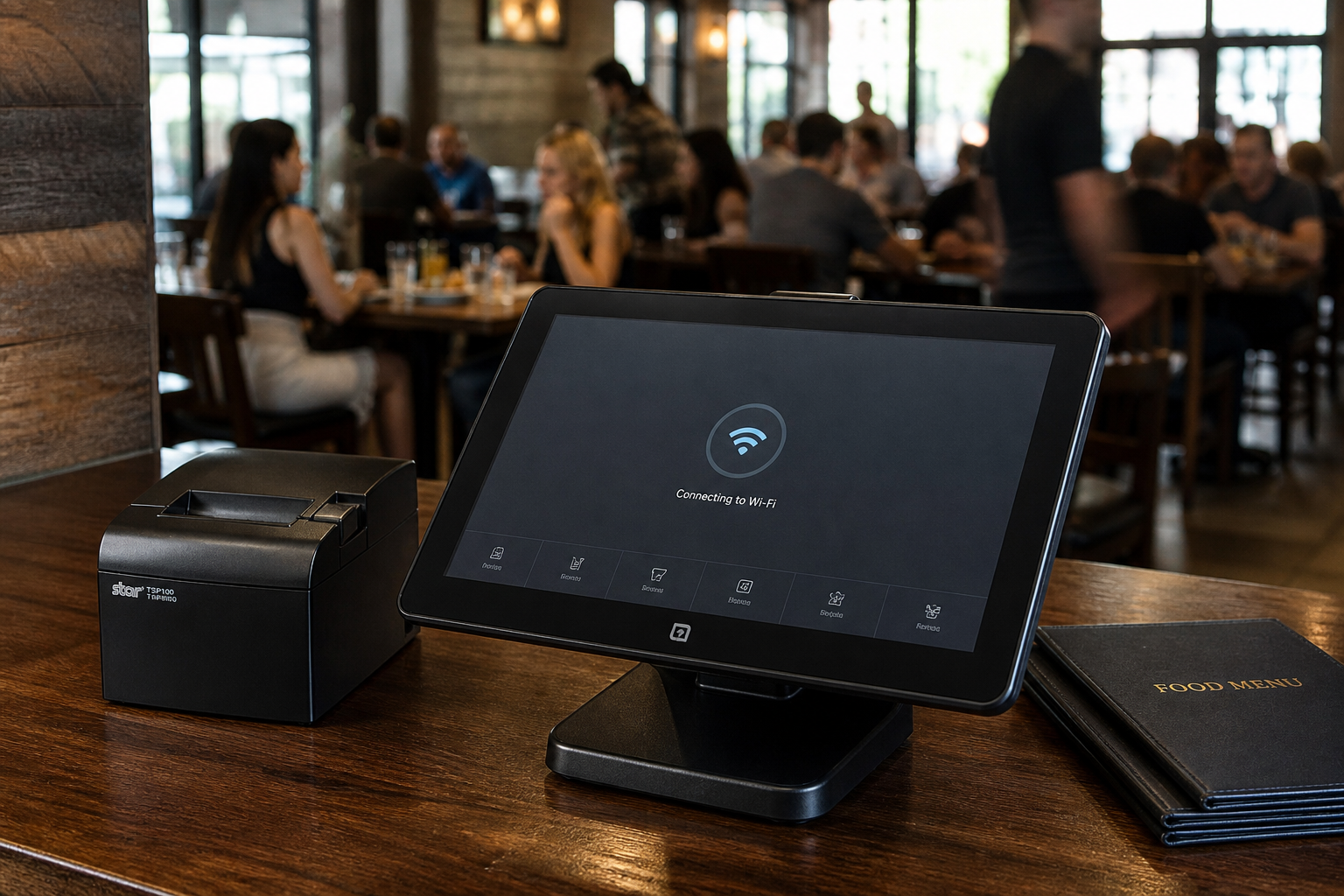
A Wi-Fi POS connects to your venue's internet network, exactly like a home router. No extra data line cost, no SIM to manage.
The limit is obvious: if the Wi-Fi drops, the POS stops working. And in many shops, Wi-Fi drops more often than anyone likes to admit.
When Wi-Fi is the right choice
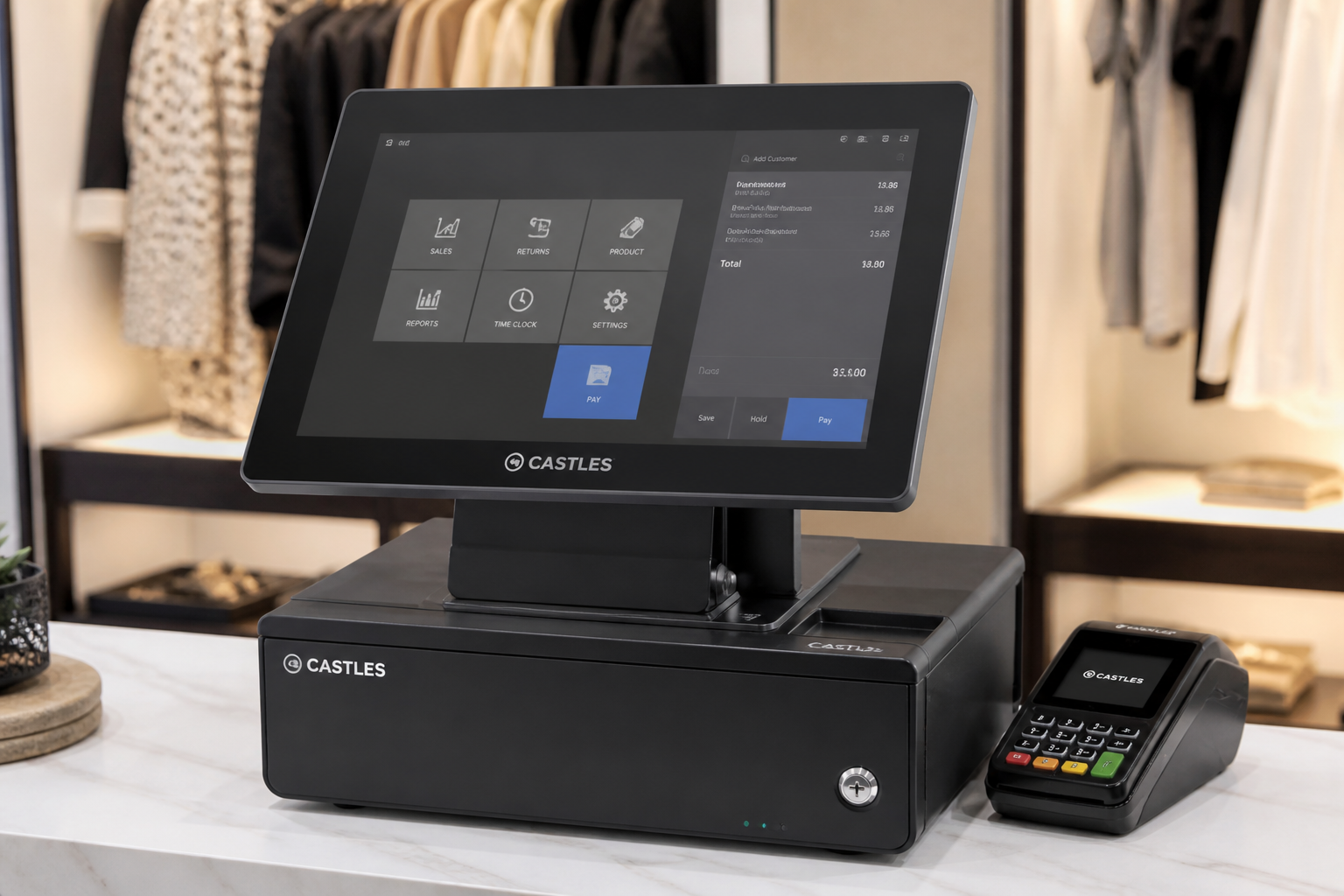
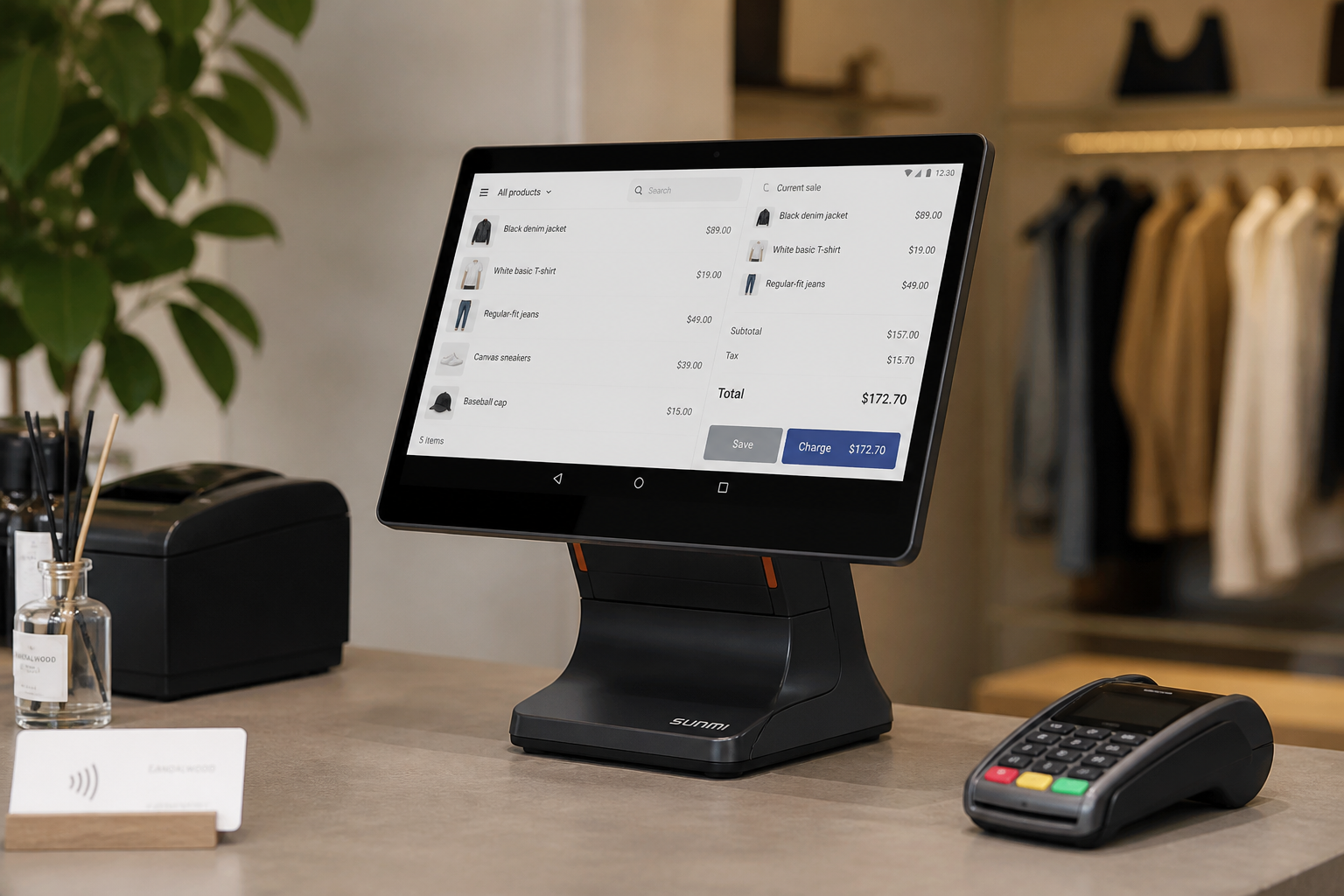
If you always work from the same fixed spot — a fixed till, a counter, a desk — and your internet connection is stable, Wi-Fi is the cheapest, most hassle-free solution.
Shops, professional offices, beauty salons: most businesses with a fixed station don't need anything else.
When you need a SIM instead
If your POS moves around — markets, fairs, deliveries, events — you can't rely on a stable Wi-Fi network everywhere you go. Here, a SIM becomes essential, not a luxury.
Even in a fixed shop, if your internet connection is unstable or missing in parts of the venue, a SIM-backed POS as a backup avoids losing sales during the worst possible moments: peak hours.
Some terminals offer both connections with automatic switching between them: they cost more, but they remove the problem at the root.
- Wi-Fi = lower cost, but you depend on how stable your network is.
- SIM = higher cost, but it works anywhere there's signal, even outside the shop.
- If you move around (markets, fairs, delivery), a SIM isn't optional: it's a requirement.
- Dual-mode models solve the dilemma but come with a higher list price.
- Buying a Wi-Fi-only POS for a business that regularly moves outside the venue.
- Paying for a SIM if you always work from the same spot with a stable connection.
- Not asking the provider what happens (and what it costs) when there's no connection.
Frequently asked questions
No, it needs an active network to authorise every transaction in real time. Without a connection, the payment can't be completed.
Almost always, yes: many providers include a data plan in the terminal's fee, others bill it separately. Always ask before signing.
It depends on the model: some terminals support both technologies on the same device, others require you to change hardware.
Find the right POS for how you actually work
Daevon terminals cover both fixed stations and mobile work, with Wi-Fi and SIM connectivity based on your needs.